

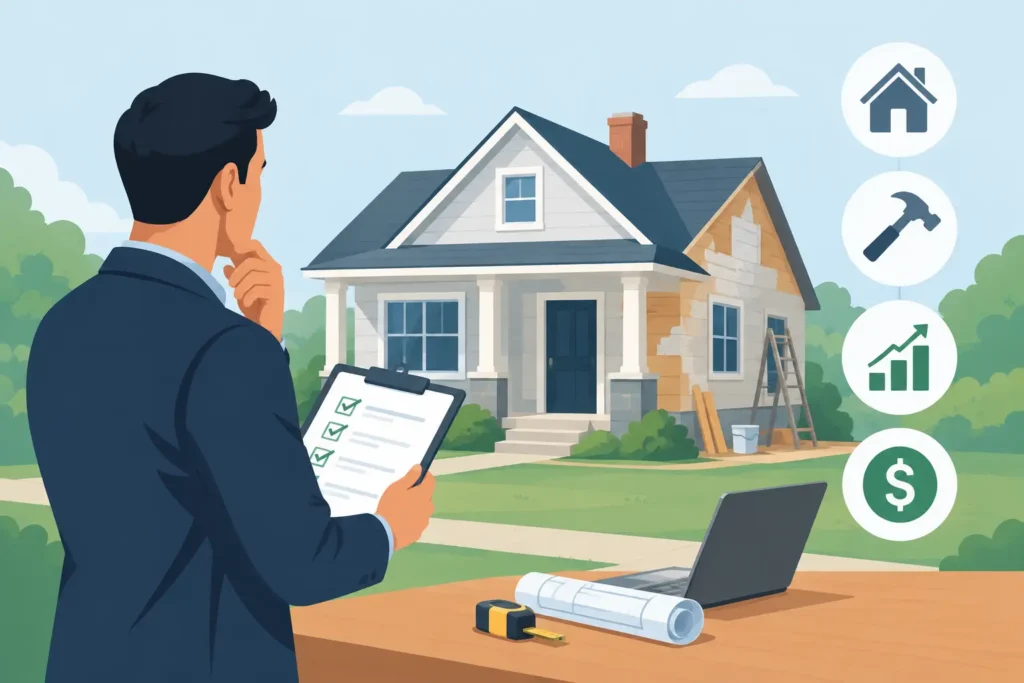
A flip can look like a good deal from the street and still become an expensive lesson after closing. Learning how to evaluate flip properties means looking past the asking price, fresh paint, and potential profit. The best opportunities are properties where the purchase price, repair scope, resale value, and holding costs work together before you make an offer.
For investors in Beaumont and across Southeast Texas, local knowledge matters. A home that could sell quickly in one neighborhood may sit longer in another, even if the renovation is excellent. Start with the numbers, then confirm that the property fits what local buyers actually want.
Start With the End Buyer
Before estimating repairs or deciding what to offer, identify the likely buyer when the work is complete. Is this a starter home for a first-time buyer, a practical family home near schools and jobs, or a larger property for an established household? The answer affects both the renovation plan and the expected resale price.
Walk the neighborhood at different times of day. Look at the condition of nearby homes, traffic patterns, parking, nearby commercial activity, and general upkeep. A house should be improved to match or slightly exceed nearby competing homes, but it should not be renovated far beyond what the neighborhood can support.
Pay attention to layout as well. Buyers often accept cosmetic updates, but they are less forgiving of cramped bedrooms, awkward additions, low ceilings, poor drainage, or a floor plan that does not function for a family. A beautiful kitchen will not fully solve a property with a serious usability issue.
Estimate the After-Repair Value Carefully
The after-repair value, often called ARV, is the price the home could reasonably sell for after renovations are complete. This is one of the most important numbers in a flip analysis, and it should come from recent comparable sales rather than optimism.
Use sold properties that are close in location, similar in size, age, condition after renovation, bedroom and bathroom count, and overall appeal. Active listings can show your competition, but they do not prove what buyers have actually paid. Pending sales can offer context, although the final sales price may not be public yet.
In a changing market, prioritize the most recent sales. If comparable homes sold several months ago, ask whether inventory, buyer demand, interest rates, or neighborhood conditions have shifted since then. A conservative ARV gives you more room for surprises. An aggressive ARV can make an average deal look profitable on paper.
Do Not Overvalue Cosmetic Work
New flooring, updated fixtures, and clean paint can make a home easier to sell. They do not automatically justify the highest sale in the neighborhood. Buyers pay more when the work improves function, condition, and confidence, not simply because every surface is new.
Likewise, avoid assuming that a pool, elaborate landscaping, or high-end finishes will return every dollar spent. Those features can help the right property, but their value depends on the neighborhood and target buyer.
Build a Real Repair Budget
A quick walkthrough rarely reveals the full cost of a renovation. A sound evaluation separates cosmetic work from major systems and allows for hidden conditions.
Start with the big-ticket items: foundation movement, roof condition, HVAC age and performance, electrical panels and wiring, plumbing supply and drain lines, windows, drainage, and signs of water intrusion. In older homes, inspect for outdated materials and code-related issues that can affect the scope of work. If you are uncertain, bring in qualified professionals before your inspection period ends.
Then price the visible renovation items, including kitchens, baths, flooring, paint, drywall, cabinets, counters, appliances, lighting, doors, trim, exterior repairs, landscaping, and cleanup. Get estimates from contractors who understand the level of finish needed for the resale range. A contractor who normally builds luxury homes may not be the right fit for a value-focused starter-home flip.
Include a contingency fund. The right percentage depends on the property, but older homes and properties with limited inspection access deserve a larger cushion. Hidden rot behind siding, damaged subfloors, sewer line issues, or unpermitted work can change the budget quickly.
Watch for These Costly Red Flags
Some issues deserve extra attention because they can affect both your budget and resale timeline:
- Foundation cracks, doors that will not close, or sloping floors that may point to structural movement.
- Standing water, poor grading, damaged gutters, or interior stains that suggest ongoing moisture problems.
- Electrical or plumbing systems that are outdated, unsafe, or likely to require broad replacement.
- Additions, garages, or conversions that may not have permits or may not match public records.
A red flag does not always mean walk away. It means the price, repair budget, and timeline must reflect the risk. If you cannot confidently estimate the issue, do not treat it as a minor line item.
Add Every Cost of Owning and Selling the Home
The purchase price and contractor bid are only part of the deal. To evaluate flip properties correctly, account for the full cost of getting the home from acquisition to closing table.
Your total project cost may include financing charges, loan interest, property taxes, insurance, utilities, permits, inspections, dumpsters, pest treatment, lawn care, cleaning, staging, photography, real estate commissions, seller concessions, and closing costs. If the property will be vacant for several months, each additional week matters.
Time is a budget item. A six-week renovation that turns into a four-month project can reduce or erase the expected profit, especially when financing is involved. Build your timeline around permits, contractor availability, material lead times, weather, and the possibility of rework. In Southeast Texas, storm season and heavy rain can also delay exterior work and reveal drainage concerns.
Use a Conservative Offer Formula
Once you have a realistic ARV and a complete cost estimate, calculate the maximum price you can pay. The basic equation is straightforward:
Maximum purchase price = ARV – repairs – holding and selling costs – desired profit.
The percentages often shared in real estate investing can be useful as a quick screen, but they are not a substitute for property-specific math. A common 70 percent guideline may work for some projects, yet financing terms, neighborhood price points, repair complexity, and local demand can make it too high or too low for a particular deal.
Your desired profit should compensate for the time, capital, and risk involved. If the deal only works when every repair comes in under budget and the home sells immediately at the top of the market, it is not a strong deal. Give yourself room for normal surprises.
Check the Exit Plan Before Closing
Most flips are planned for resale, but smart investors still consider alternatives. If the home does not sell as quickly as expected, could it become a viable rental? Would the expected rent cover the carrying costs and provide a reasonable return? Is there enough buyer demand at the projected price point?
Also review the likely buyer’s financing options. Homes with major condition issues may not qualify for every type of mortgage before repairs are complete. After renovation, pricing just above a common financing threshold can shrink your buyer pool. A well-priced home in clean, move-in-ready condition often attracts more attention than a property pushed to the highest possible number.
Make the Decision With Facts, Not Pressure
A seller deadline, a competitive offer situation, or a low list price can create urgency. Do not let urgency replace due diligence. Review comparable sales, verify the repair scope, confirm your financing, and revisit the numbers after inspections.
Broussard Properties TX believes good real estate decisions start with a clear view of the property and the neighborhood around it. The right flip is not necessarily the cheapest house or the one with the flashiest potential. It is the home where careful improvements create real value for the next owner while leaving enough margin for the work required.
When the numbers are conservative and the home meets a genuine local need, you can move forward with more confidence and a clearer plan for every dollar you invest.