

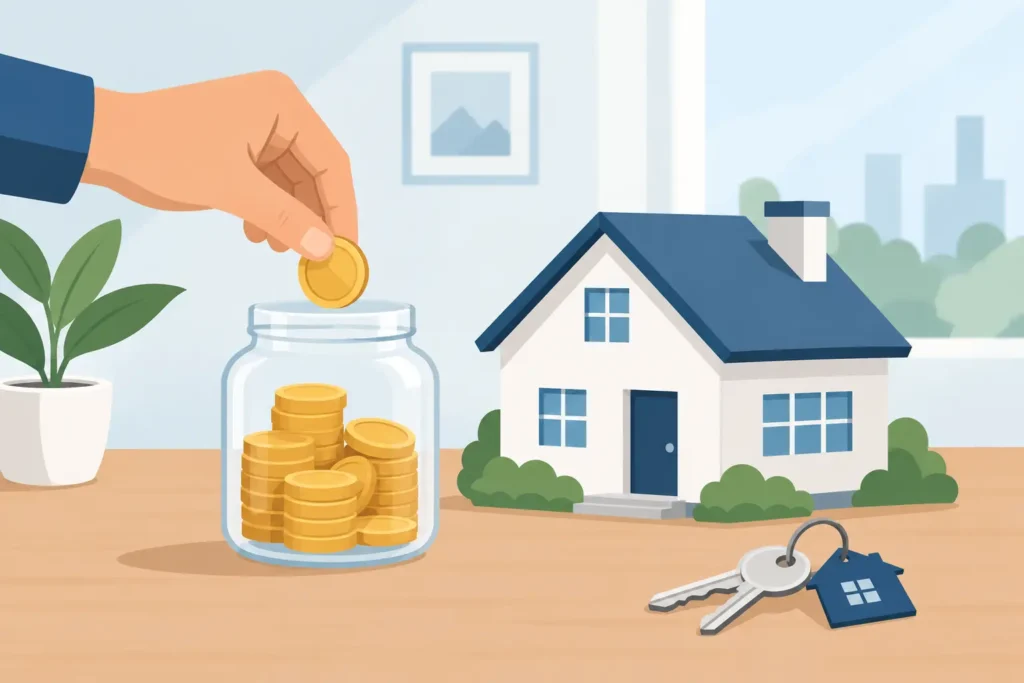
A home offer can move quickly once you find the right place. One of the first questions buyers ask is, “How much earnest money needed?” The answer is not one fixed dollar amount. In Beaumont and across Southeast Texas, earnest money is negotiated as part of the offer and should fit both the property and your financial comfort level.
Earnest money is a good-faith deposit that shows a seller you are serious about buying the home. It is not an extra fee on top of the purchase price. When the sale closes, the deposit is usually credited toward your down payment, closing costs, or the amount you bring to closing.
How Much Earnest Money Is Needed in Texas?
For many Texas home purchases, earnest money commonly falls between 1% and 3% of the purchase price. On a $180,000 starter home, that might mean a deposit of $1,800 to $5,400. But plenty of offers use a different amount, especially on lower-priced properties, highly competitive listings, or homes that need repairs.
A buyer may offer $1,000 on an affordable home with limited competition. On the other hand, a buyer trying to stand out on a well-priced family home may offer more than the typical percentage. The right number depends on the full offer, not just the list price.
Your earnest money should be large enough to demonstrate commitment, but not so large that you are uncomfortable with the risk if you do not follow the contract terms. A stronger deposit can help, but it is only one part of a convincing offer. Price, financing, closing timeline, inspection terms, and seller needs all matter.
A practical way to set your deposit
Start by looking at the home’s price and the level of buyer interest. Then consider how much cash you need to preserve for your down payment, inspections, appraisal expenses, moving costs, and any early repairs after closing.
If the property has been listed for a while and the seller is flexible, a modest earnest money amount may be reasonable. If several buyers are expected to make offers, increasing the deposit can signal confidence. It still makes sense to keep reasonable contract protections in place rather than putting your entire budget at risk to make an offer look stronger.
What Earnest Money Does for the Seller
A seller takes a home off the market when they accept an offer. During that period, they may miss other interested buyers while the purchaser completes financing, inspections, and title work. Earnest money gives the seller some assurance that the buyer intends to move forward.
After an offer is accepted, the earnest money is usually delivered to the title company or another escrow holder named in the contract. It should not simply be handed over without clear written instructions. The contract states the deposit amount, who holds it, and the deadline for delivery.
In many Texas transactions, the buyer has only a short window to deposit the funds. Missing that deadline can put the buyer in default and create avoidable problems before the process has really begun. Keep a copy of your receipt and confirm that the escrow holder received the payment.
Earnest Money Is Different From the Option Fee
Texas buyers should understand the difference between earnest money and an option fee. They are often paid around the same time, but they serve different purposes.
Earnest money is held in escrow and is generally applied to the buyer’s costs at closing. The option fee pays for the buyer’s option period, which is a negotiated number of days when the buyer can inspect the home and decide whether to continue with the purchase. In most cases, the option fee is paid directly to the seller and is generally nonrefundable, although it may be credited back to the buyer at closing if the contract provides for it.
The option period is especially valuable for buyers purchasing an older home, a fixer-upper, or a property with features that need closer review. It gives you time to hire inspectors, review findings, request repairs or credits, and make an informed decision. A short option period or a very low option fee can make an offer more attractive, but it can also leave you with less time and flexibility.
When Can a Buyer Get Earnest Money Back?
Whether earnest money is refundable depends on the contract and what happens during the transaction. Buyers often have ways to protect their deposit when they act within the agreed deadlines and follow the contract correctly.
For example, a buyer may be able to terminate during the option period and recover earnest money, while forfeiting the option fee. A financing contingency may also protect a buyer if loan approval cannot be obtained under the terms specified in the contract. Appraisal provisions, title issues, and other negotiated conditions can affect the outcome as well.
The key is timing. If you decide to terminate, the notice must be delivered correctly and before the applicable deadline. Waiting until after the option period or ignoring a financing deadline can put your earnest money at risk. Your real estate agent and title company can help you keep track of the dates, but buyers should understand their own contract obligations too.
When earnest money may be at risk
A buyer may lose earnest money when they back out without a valid contractual reason, fail to meet required deadlines, or otherwise default on the agreement. For instance, changing your mind after protections have expired is different from terminating on time during a negotiated option period.
That does not mean every dispute ends automatically in favor of one side. If there is disagreement about who should receive the deposit, the escrow holder may require a written release signed by both parties or follow the procedures required under the contract. This is one reason clear paperwork and prompt communication matter from the beginning.
Factors That Affect the Right Amount
A few local and transaction-specific details can change what makes sense. A move-in-ready house in a popular neighborhood may call for a more competitive deposit than a home that needs substantial repairs. A cash offer may be viewed differently from a financed offer, especially if the buyer can close quickly.
The seller’s situation also matters. Someone who needs a fast, dependable closing may value a clean offer with clear financing and a realistic timeline more than the largest possible earnest money deposit. A seller who has received multiple offers may focus more closely on every term, including the deposit and option period.
For first-time buyers, it is wise to avoid treating earnest money as a number you must guess alone. Ask your agent what is customary for comparable homes and how the particular listing is positioned. A neighborhood-level conversation is more useful than a generic national rule because competition and pricing can vary from one part of Beaumont to another.
How to Make a Strong Offer Without Overcommitting
A competitive offer does not require giving up every protection. Instead, make sure the offer is organized, realistic, and easy for the seller to understand. Provide a current preapproval letter if you are financing, offer a closing date you can actually meet, and use an earnest money amount that matches the home and market conditions.
Be careful about waiving inspections or shortening important deadlines just to compete. A home may look well maintained during a showing while still having issues with the roof, foundation, plumbing, electrical system, or HVAC equipment. The right approach is to balance the seller’s need for certainty with your need to make a sound purchase.
If you are considering a home that needs updates, plan for more than the purchase price. Inspection findings and repair costs can affect whether the deal remains affordable. Keeping an appropriate option period and enough funds in reserve can be more valuable than making an aggressive deposit you may regret.
Before You Submit the Offer
Review the earnest money amount, option fee, delivery deadline, option period, financing terms, and proposed closing date together. These pieces work as a package. A lower earnest deposit with strong financing and a flexible closing date may be appealing, while a large deposit with uncertain financing may not be.
Broussard Properties TX encourages buyers to ask direct questions before signing anything. A clear conversation about the home, the offer terms, and the next steps helps prevent surprises and gives you a better chance of moving forward with confidence.
The best earnest money amount is one that shows you are prepared to buy while protecting the money you have worked hard to save. Choose it with the property, the contract, and your full home-buying budget in mind.