

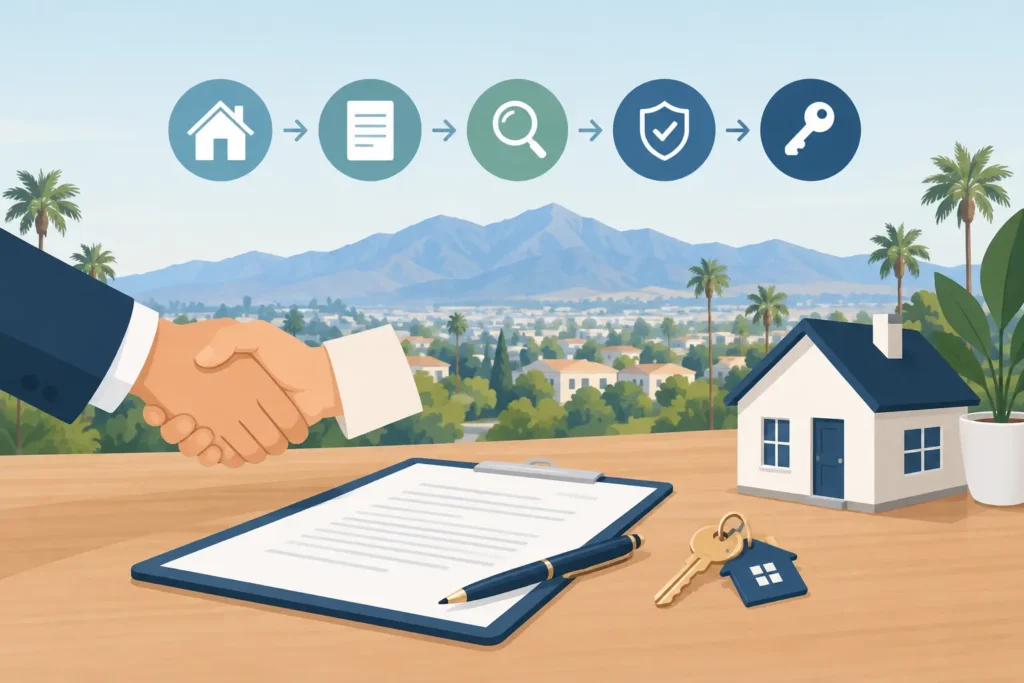
A signed purchase contract feels like the finish line for many buyers. In reality, it is the starting point for escrow. This escrow process guide explains what happens between an accepted offer and the day you receive the keys, so you can move forward with fewer surprises and more confidence.
For buyers in Beaumont and throughout Southeast Texas, escrow is the organized middle of the transaction. It gives every party a clear process for handling money, paperwork, inspections, title work, lender requirements, and final signatures. While every sale has its own details, knowing the usual sequence makes it easier to respond quickly when a deadline arrives.
What Escrow Does in a Home Purchase
Escrow is a neutral process used to protect both the buyer and seller while a real estate sale is being completed. An escrow officer or title company holds important documents and funds according to the signed contract. They do not decide whether a home is worth buying or negotiate repairs for either side. Their role is to make sure the transaction is handled correctly and that money changes hands only when the agreed conditions have been met.
In a typical Texas home purchase, the title company often manages escrow. It receives the earnest money, researches the property’s title history, prepares closing documents, coordinates with the lender, and records the deed after closing. Your real estate agent, lender, insurance provider, inspector, and seller may all communicate with the title company during this period.
Escrow is not a guarantee that everything will go perfectly. An inspection can reveal repairs, an appraisal can come in low, or title research can uncover an old lien that needs attention. What escrow does provide is a structured way to address those issues before ownership transfers.
Escrow Process Guide: From Contract to Closing
1. The contract is signed and earnest money is delivered
Once the buyer and seller agree on price, timing, and contract terms, the executed contract is delivered to the title company. The buyer then deposits earnest money by the deadline in the contract. Earnest money shows good faith and is generally credited toward the buyer’s funds at closing.
Texas contracts may also include an option fee. This fee is paid for the buyer’s option period, which gives the buyer time to inspect the home and decide whether to continue with the purchase under the contract terms. Earnest money and option fees serve different purposes, so buyers should confirm payment instructions and deadlines with their agent right away.
Never rely on an emailed bank account change or unusual payment request without verifying it directly through a trusted phone number. Wire fraud is a real risk in real estate transactions. Confirm instructions with the title company before sending any funds.
2. The buyer completes inspections and due diligence
The option period is one of the most active parts of escrow. Buyers usually schedule a general home inspection and may choose additional inspections depending on the property. For example, an older home may need closer review of the foundation, electrical system, plumbing, roof, or HVAC equipment.
An inspection report is not automatically a repair list for the seller. It is information for the buyer. After reviewing it, a buyer may proceed as-is, ask the seller for repairs or a credit, renegotiate if the contract allows, or end the agreement during the option period. The best choice depends on the condition of the home, the local market, the buyer’s budget, and the urgency of the repairs.
Do not wait until the last day of the option period to read the report. Give yourself time to ask questions, obtain estimates if needed, and document any agreement with the seller in writing.
3. The lender orders an appraisal and finishes underwriting
If you are financing the purchase, your lender will review your income, assets, credit, and the property itself. The appraisal helps the lender confirm that the home supports the loan amount. It is different from an inspection: an appraiser estimates market value, while an inspector evaluates visible condition and systems.
If the appraisal meets or exceeds the contract price, the loan process can continue normally. If it comes in below the agreed price, the buyer and seller may renegotiate the price, the buyer may bring additional funds to closing, or another contract solution may be considered. The outcome depends on the appraisal contingency and the parties’ willingness to adjust.
Avoid major financial changes during escrow. Opening a new credit account, financing furniture, changing jobs, or moving large sums between accounts can create extra lender questions. Keep records for deposits and respond promptly if your lender requests an updated document.
4. The title company researches ownership and title issues
Title work confirms who has the legal right to sell the property and identifies matters that must be resolved before closing. The title company checks public records for deeds, liens, unpaid taxes, judgments, easements, restrictions, and other items connected to the property.
Many title issues are routine and can be cleared with a payoff statement, release, correction, or additional document. Some take longer. An inherited property, a recent divorce, or an unreleased lien from years ago may require more follow-up. This is one reason it is wise to stay flexible with a closing date until the title company confirms that everything is ready.
Buyers will usually receive a title commitment before closing. Read it and ask questions about items you do not understand. Some items, such as utility easements or subdivision restrictions, may remain after closing and can affect how the property is used.
5. Insurance, final numbers, and closing documents come together
Before closing, buyers arranging a mortgage need to secure homeowners insurance. The lender will need proof of coverage before funding the loan. If the home is in a flood-prone area, flood insurance may also be required. Insurance cost can vary significantly, so request quotes early rather than treating it as a last-minute task.
Your lender should provide a Closing Disclosure at least three business days before closing for most mortgage loans. This document outlines the final loan terms, monthly payment, cash needed to close, and closing costs. Compare it with earlier estimates and ask about changes that are not clear.
Closing costs can include lender charges, title services, prepaid insurance, property taxes, recording fees, and other transaction expenses. The exact amount depends on the loan, purchase price, contract terms, and timing. A clear estimate early in the process helps buyers plan without assuming every cost will be identical from one transaction to the next.
6. The final walk-through and closing take place
The final walk-through usually happens shortly before closing. It is your chance to confirm that the home is in substantially the agreed condition, negotiated repairs have been completed, and the seller has removed personal belongings unless the contract says otherwise. Test accessible items such as lights, faucets, appliances that convey, and garage doors.
At closing, you will review and sign the required documents, provide any remaining funds in the approved form, and complete the transaction. Once the lender funds the loan, if applicable, and the documents are recorded, ownership transfers. The timing for receiving keys should be confirmed in the contract, because it is not always the exact moment signatures are finished.
Common Escrow Delays and How to Avoid Them
Most delays come from incomplete paperwork, late responses, repair negotiations, appraisal issues, title questions, or financing changes. Buyers cannot control every part of the process, but they can reduce avoidable friction by keeping documents organized, checking messages daily, and meeting deadlines early when possible.
It also helps to keep communication direct. If something feels unclear, ask your agent, lender, or title contact rather than guessing. A small question about a wire, insurance requirement, or document can prevent a much larger issue later.
What to Keep Ready During Escrow
Have your photo ID, proof of insurance, lender-requested financial documents, and contact information for your agent readily available. Keep copies of inspection reports, repair agreements, receipts, and all messages about deadlines. If you are bringing money to closing, confirm the amount and delivery method with the title company using verified contact information.
For cash buyers, the process may move faster because there is no lender underwriting or appraisal requirement. Even then, inspections, title review, insurance decisions, and clear communication still matter. Skipping due diligence simply because financing is not involved can be an expensive choice.
Buying a home should not require you to understand every legal or lending detail on your own. Stay engaged, ask questions early, and give each deadline the attention it deserves. With a dependable local team and a clear plan, escrow becomes a manageable path toward a place you can confidently call home.